
How to Apply to Study in New Zealand With Your IB Results
Your IB results just dropped, and thinking about New Zealand for the next intake? Good news! You can still make it. With the right plan, you can go from receiving your IB results to securing a university offer and student visa in as little as eight weeks.
This guide shows you exactly how to study in New Zealand with your IB results, week by week. No fluff, no panic — just the four steps that get you there: choose, apply, fund, and fly.
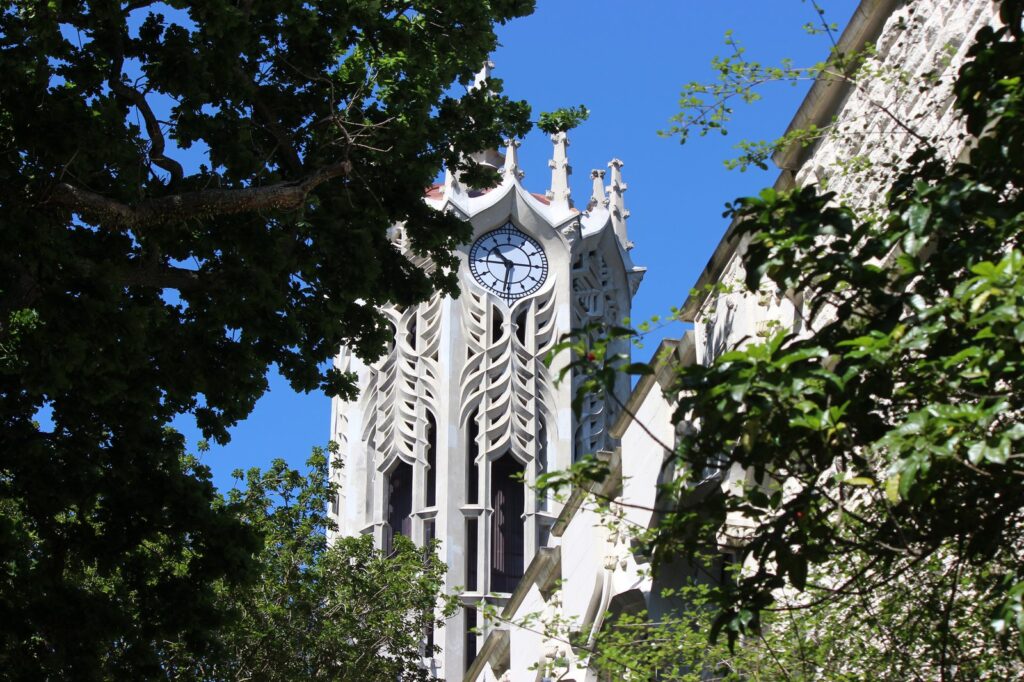
Table of Contents
Weeks 1–2: Choose Your Course and University
The first step is to shortlist two or three courses that match your interests, career goals, and IB results.New Zealand has eight universities, and most offer two main intakes: Semester 1 in February and Semester 2 in July. Some might offer September intakes, so it’s realistic for you to start your uni journey the same year if you move quickly.
The International Baccalaureate Diploma is scored out of 45 points, with 24 required to earn the diploma. New Zealand universities accept the IB diploma for entry, but the required score varies by programme. Competitive degrees like Engineering, Health Sciences and Law typically have higher entry requirements than programmes in Arts, Business, or Science.
In these two weeks:
- Shortlist 2–3 courses and compare their entry requirements against your IB results.
- If you’re aiming to start your degree within the same year, the University of Canterbury runs a September pathway into engineering for strong international students.
- Gather your documents now: IB results, passport, school transcripts and proof of English.
If you completed your IB Diploma Programme (IBDP) at one of the IB schools in Malaysia, you’re already in a strong position. The International Baccalaureate in Malaysia is taught and assessed in English, which often covers a New Zealand university’s English language requirement, although this should always be confirmed with your chosen institution.
Weeks 3–4: Apply and Accept Your Offer
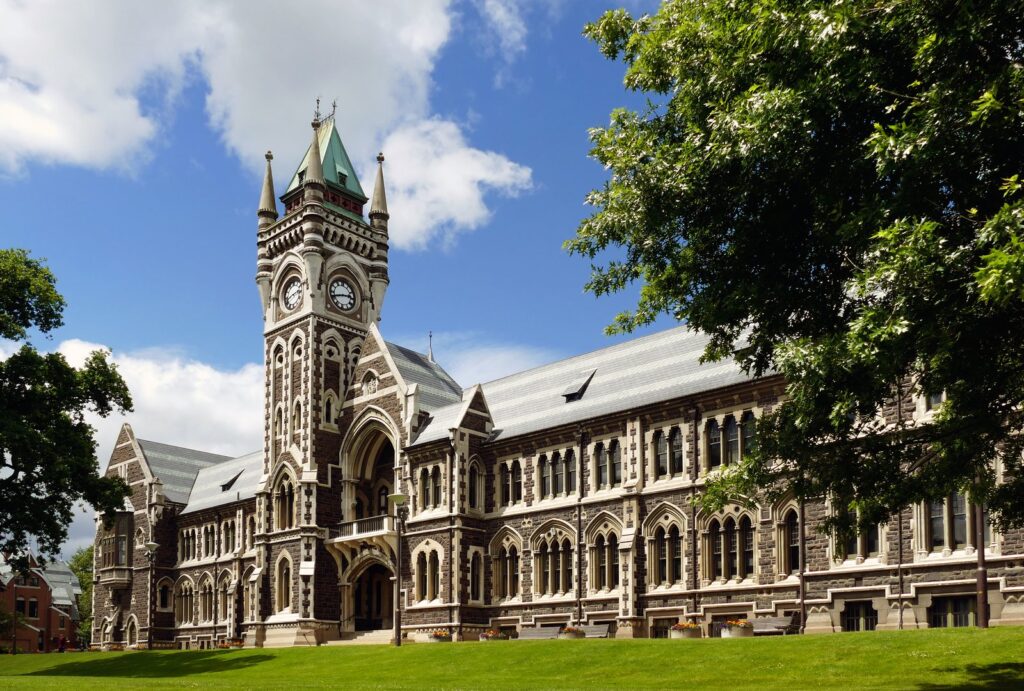
Now it’s time to apply. Submit your applications to your shortlisted universities with your IB results and supporting documents. New Zealand universities often assess complete international applications quickly, sometimes within a couple of weeks, although assessment times can be longer during peak intake periods.
Once you receive an offer, check whether there are any conditions you need to meet, such as English language or academic requirements. After the university issues a full offer, you’ll need to pay the required tuition fees to secure your place. You need this full offer before you can apply for your student visa, so it’s best to act fast.
In these two weeks:
- Submit applications to your 2–3 shortlisted courses.
- Reply fast to any request for extra documents. This keeps your file moving.
- Accept your best offer, pay the deposit, and get your Offer of Place in writing.
Weeks 5–6: Sort Out Your Money
To apply for a student visa, you must prove you can pay for your studies and support yourself while in New Zealand. For tertiary study, that means showing living costs of NZD 20,000 (~RM 47,400) for a year, on top of your tuition fees.
Important note: the NZD 20,000 must be genuine, accessible, and well documented. You can’t count income you hope to earn from a part-time job in New Zealand. Immigration New Zealand accepts a range of evidence, including bank statements, fixed-term deposits, scholarship letters, sponsorship documents, and approved education loans.
In 2026, Immigration New Zealand looks closely at where your money comes from. Any large deposit, over NZD 2,000 (~RM 4,740), or a recently opened account can trigger a request for extra proof, such as payslips, tax records or evidence of property. So it’s best to prepare your financial evidence early.
Your money checklist:
- Tuition fees (paid and official receipt from the university).
- Living costs: NZD 20,000 (~RM 47,400) for one year of study.
- Return travel money (a flight home).
- Supporting documents showing that your funds are available and can be verified.

Weeks 7–8: Apply for Your Visa and Book Travel
With your Offer of Place and funds ready, you can now lodge your New Zealand student visa. Immigration New Zealand suggests allowing about eight weeks for processing and applying around three months before you travel, so lodge it as soon as you have gathered all your documents.
While the visa is being processed, get everything else ready so you can move the day it’s approved:
- Book your flights once the visa is granted (or consider a flexible fare).
- Arrange for student accommodation: a hall of residence or a homestay near campus.
- Arrange your travel insurance and any health cover your university requires.
The process may seem fast, but it’s entirely achievable when you stay organised and complete each step promptly. Many students successfully make the next intake because they begin planning as soon as their IB results are released.

Key Takeaways
- You can study in New Zealand with your IB results and still make a mid-year (Semester 2 / later) intake. Plan for about eight weeks.
- Weeks 1–2: Shortlist your courses, check entry requirements, and gather your documents.
- Weeks 3–4: Submit your applications, meet any offer conditions, and secure your Offer of Place.
- Weeks 5–6: Prepare your financial evidence, including tuition fees, NZD 20,000 (around RM47,400) for living costs, and return travel funds.
- Weeks 7–8: lodge your student visa early (allow ~8 weeks) and book travel once it’s approved.
- The IB diploma is scored out of 45; NZ entry scores vary by course, so check each one against your result.
Get Help With Selset
You can always come to Selset for help. We’ve guided Malaysian students to New Zealand for over 20 years, and we run the whole process with you: choosing your course, applying, preparing your funds, and lodging your visa. Our service is free for Malaysian students (you only pay the university’s application fee). Contact us, and we’ll help you create a personalised plan based on your IB results and study goals.
Frequently Asked Questions
Can I start university in New Zealand in September with IB results?
Yes, it is possible. New Zealand universities mainly run Semester 1 (February) and Semester 2 (July) intakes, and some pathways begin even later. For example, the University of Canterbury offers a September engineering pathway for strong international students. With IB results in hand, you can apply for the next available intake.
What IB score do I need to study in New Zealand?
It depends on the university and course. The IB diploma is scored out of 45 points, with 24 to pass, and New Zealand universities accept it for entry. Competitive programmes, such as Engineering, Health Sciences, and Law, generally require higher scores than programmes in Arts, Business, or Science. So check the exact requirement for each course on your shortlist.
How much money do I need for a New Zealand student visa?
For tertiary study, you must show living costs of NZD 20,000 (~RM 47,400) for one year, on top of your tuition fees and money for return travel. The funds must be genuine and available. You can’t count income you hope to earn from part-time work in New Zealand.
How long does a New Zealand student visa take?
Immigration New Zealand suggests allowing about eight weeks for processing and applying roughly three months before you travel. Processing can be slower during the busy October-to-March period, so lodge your application as soon as you have your Offer of Place and proof of funds ready.