
Study Vet at Massey University: A Guide for Malaysian Students
Dreaming of becoming a vet? If you want a veterinary course that opens doors worldwide, New Zealand should be on your list. Massey University runs the country’s only veterinary school, and its degree is recognised across New Zealand, Australia, the United States and the United Kingdom.
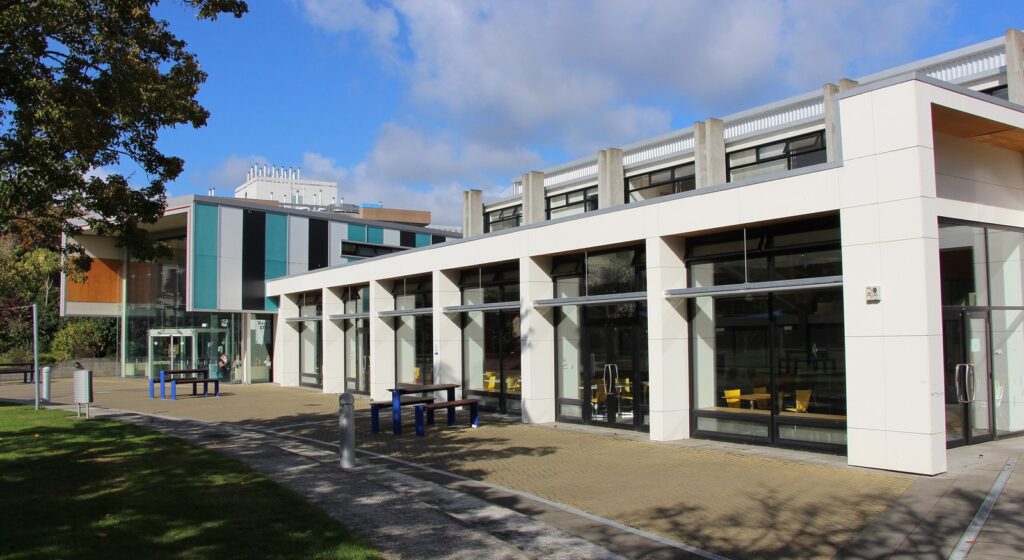
Table of Contents
The Massey Veterinary Course at a Glance
The veterinary course at Massey is the Bachelor of Veterinary Science (BVSc) — a five-year, full-time degree taught at the Manawatū campus in Palmerston North. The Bachelor of Veterinary Science is the qualification you need to become a registered vet, and the Massey University veterinary school is the only one in New Zealand that offers it.
The degree runs in two phases:
- Pre-selection semester: one semester that starts in late February. You take prerequisite courses and sit selection assessments that decide who moves on.
- Professional phase: 4.5 years (nine semesters) that begins in mid-July, once you’re selected. This is the hands-on, clinical part of the veterinary science degree.
You don’t just roll through all five years. After the first semester, you have to be picked for the professional phase, so preparing well really counts.
How Hard Is It to Get In?
Getting in is competitive as there are more applicants than places. According to Massey’s BVSc pre-selection information, international applicants face roughly twice as many applicants as places, while domestic students see about three to four times. So strong grades and real animal experience both count.
One requirement catches many students out: before you apply, you need at least 40 hours of work experience in a veterinary clinic. Start that early; it’s also the best way to be sure this career is right for you.
As an international student, you have two routes into the professional phase:
- Do the pre-selection semester at Massey, then go through selection (this is the most common route).
- Apply for direct entry into the professional phase if you already hold a relevant science degree from overseas.
Either way, you’ll need a solid science background, such as biology, chemistry, physics and maths, to cope with the workload.
A Globally Recognised Veterinary Degree
Massey’s veterinary degree is one of the few veterinary courses in the world accredited across four major systems at once. That means your BVSc lets you work as a vet in New Zealand, Australia, the United States and the United Kingdom without re-sitting the whole qualification.
It holds accreditation from:
- The American Veterinary Medical Association (AVMA) — for the United States and Canada.
- The Australasian Veterinary Boards Council (AVBC) — for New Zealand and Australia.
- The Royal College of Veterinary Surgeons (RCVS) — for the United Kingdom.
If you’re planning to come home and practice, you’ll need to register with the Malaysian Veterinary Council. Recognition and registration steps can change, so confirm the current requirements before you commit.
What Does the Veterinary Course Cost?
A veterinary course is one of the bigger investments in study. For 2026, Massey’s international BVSc tuition is about NZD 84,220 (~RM 199,600) a year for the professional phase, plus a student services fee of around NZD 1,164 (~RM 2,760).
On top of tuition, plan for living and visa costs:
- Palmerston North is one of New Zealand’s more affordable student cities, which helps your day-to-day budget go further.
- For your New Zealand student visa, you must show living costs of NZD 20,000 (~RM 47,400) for a year, plus about NZD 2,000 (~RM 4,740) for a return flight — on top of your tuition.
- That living-cost money must be real, available funds you can document — not income you hope to earn from part-time work.

Build a Strong Vet Application With Selset
A competitive veterinary course rewards good planning — grades, animal experience and timing all matter. That’s where we come in.
Selset helps Malaysian students build a strong Massey vet application from the ground up, and our services are all free. You only pay the university’s own application fee. Book a free chat with Selset and we’ll map out your path to becoming a vet.
Frequently Asked Questions
How long is the veterinary course at Massey University?
The Bachelor of Veterinary Science (BVSc) at Massey University takes five years full-time at the Manawatū campus in Palmerston North. It runs in two phases: a one-semester pre-selection period starting in late February, followed by a 4.5-year professional phase that begins in mid-July once you are selected.
How hard is it to get into Massey’s veterinary course?
It is competitive. For international students, roughly twice as many applicants as places. Strong grades in science subjects matter, and you must complete at least 40 hours of work experience in a veterinary clinic before you apply. Early preparation makes a real difference.
Is Massey’s veterinary degree recognised internationally?
Yes. Massey’s BVSc is accredited by the American Veterinary Medical Association (AVMA), the Australasian Veterinary Boards Council (AVBC) and the UK’s Royal College of Veterinary Surgeons (RCVS). This lets you work as a vet in New Zealand, Australia, the United States and the United Kingdom. To practise in Malaysia, you register with the Malaysian Veterinary Council.
How much does the veterinary course at Massey cost?
For 2026, international tuition for Massey’s Bachelor of Veterinary Science is about NZD 84,220 (~RM 199,600) a year for the professional phase, plus a student services fee of around NZD 1,164 (~RM 2,760). On top of that, your student visa requires NZD 20,000 (~RM 47,400) in living costs for a year, plus return travel.