
8 Best Vet Schools in Australia to Study Veterinary Science
Table of Contents
If you’re passionate about animals and want a career where you can make a real difference, veterinary science might be the perfect path for you. When it comes to studying vet science abroad, Australia is one of the best choices. With its unique native wildlife, strong agricultural industry, and world-class universities, Australia offers hands-on training and global recognition in this field.
However, with several great universities, the big question is: which one should you choose? We’ve put together a list of the eight best vet schools in Australia and what makes each one a great choice.
Why Study Veterinary Science in Australia?
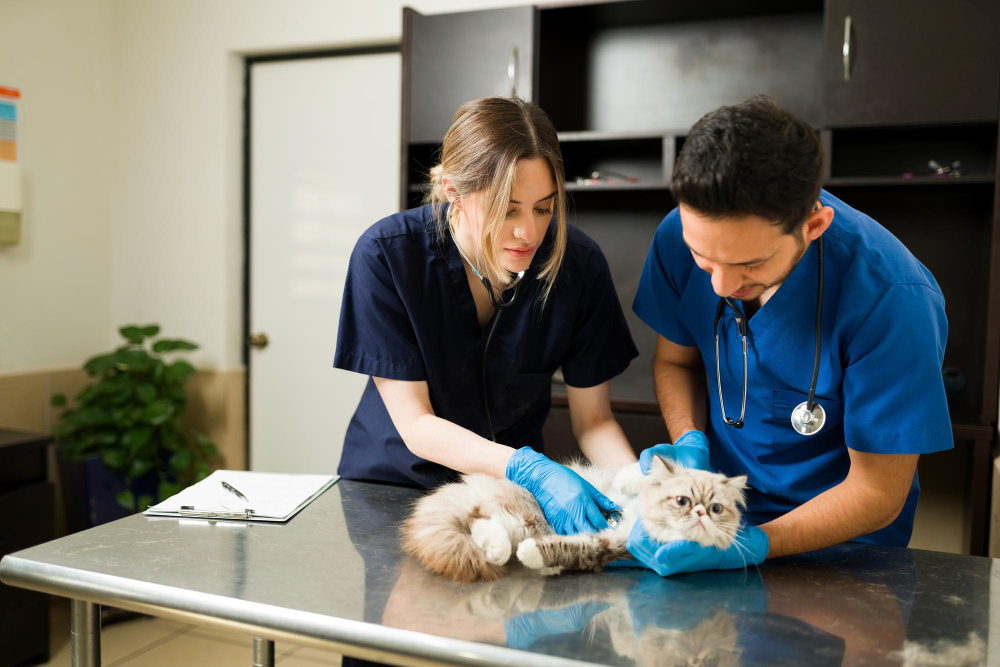
Australia is home to some of the world’s leading veterinary schools. Most programmes here are accredited by the Australasian Veterinary Boards Council (AVBC), which means you’ll be able to practise in Australia and New Zealand after graduating. Some universities also have accreditation from the American Veterinary Medical Association (AVMA), giving you options to work in the US and Canada too.
What really makes Australia stand out is the hands-on approach. You won’t just be reading textbooks—you’ll be out on farms, in clinics, or working with wildlife as part of your studies. That means you’ll graduate with real experience, ready to step into the working world.
What Makes a Great Veterinary Science University?
When choosing a veterinary school to study Veterinary Science, here are a few things to look for:
- International rankings and recognition
- Access to teaching hospitals and animal care centres
- Strong links with farms, wildlife centres, and clinics
- Opportunities for hands-on learning and research
- Location—urban vs. rural, and cost of living
Let’s now explore the top vet schools in Australia.
1. University of Sydney
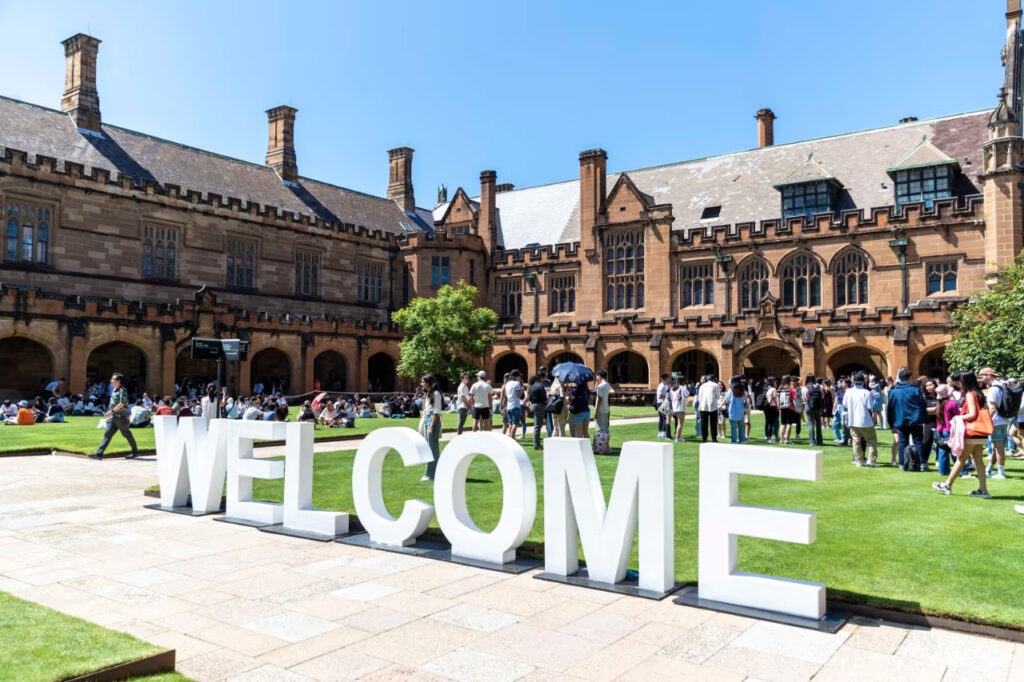
The University of Sydney is often ranked among the best veterinary science schools in the world. Its Doctor of Veterinary Medicine (DVM) programme gives you a solid mix of theory, clinical training, and research.
You’ll study animal welfare, pathology, surgery, and more, all guided by experts in the field. What sets the University of Sydney apart is its strong ties to industry, government, and global research networks.
The university’s veterinary campus is based in Camden, a semi-rural area southwest of Sydney. This location gives you access to hands-on work with small animals and livestock while still being within reach of the city’s resources.
With the city’s vibrant multicultural environment, you’ll have plenty of networking, social, and internship opportunities across veterinarian clinics, labs, and organisations.
2. University of Melbourne
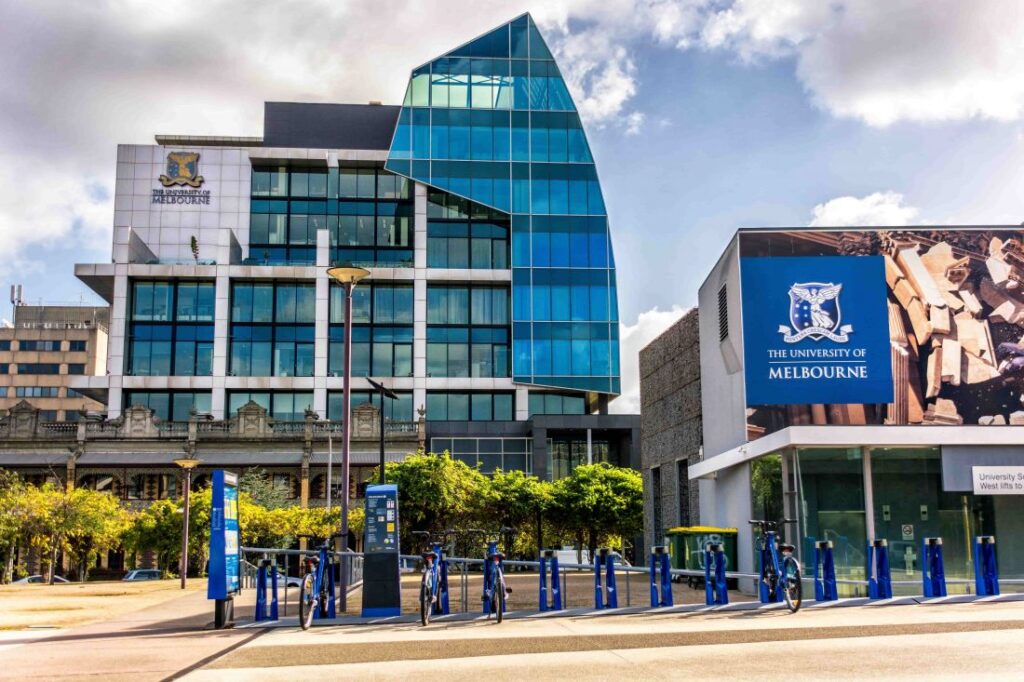
Located in one of Australia’s most student-friendly cities, the University of Melbourne offers a globally respected pathway to a veterinary career.
The university offers a Bachelor of Science followed by a Doctor of Veterinary Medicine, which means you build up a strong foundation in biosciences before moving into advanced clinical training.
You’ll train at the Greencross Vet Hospital in Werribee, where students treat real animals under professional supervision. It’s one of the most advanced teaching hospitals in Australia.
Melbourne’s metropolitan setting, combined with its emphasis on research and animal ethics, is ideal for students who want an academic and urban lifestyle with practical learning at its core.
3. University of Queensland (UQ)

The University of Queensland’s veterinary science program is based at its Gatton campus, between Brisbane and Toowoomba.
If you prefer the idea of working with farm animals or wildlife, then this university is ideal for you. It provides students with immersive access to livestock, equine medicine, and wildlife conservation projects.
UQ is internationally recognised, with AVMA accreditation allowing its graduates to work not only in Australia and New Zealand but also in the USA and Canada. The facilities at Gatton include a small and large animal hospital, research centres, and a working farm.
The university also focuses on tropical medicine and agricultural research if you’re interested in exploring public health and farm biosecurity careers.
4. Murdoch University

Murdoch University, located in Perth, Western Australia, is the only veterinary school in the state. Its Bachelor of Veterinary Medicine is designed to provide students with early exposure to a variety of clinical environments, including animal shelters, farms, and wildlife rescue centres.
What students love most about Murdoch is its friendly community and smaller class sizes, which means you get more one-on-one support. You can also access diagnostic laboratories, equine centres, and a veterinary teaching hospital that serves the public.
Besides, Perth itself is also more affordable than larger cities, making it easier to manage student life while still getting a top-quality education.
5. Adelaide University
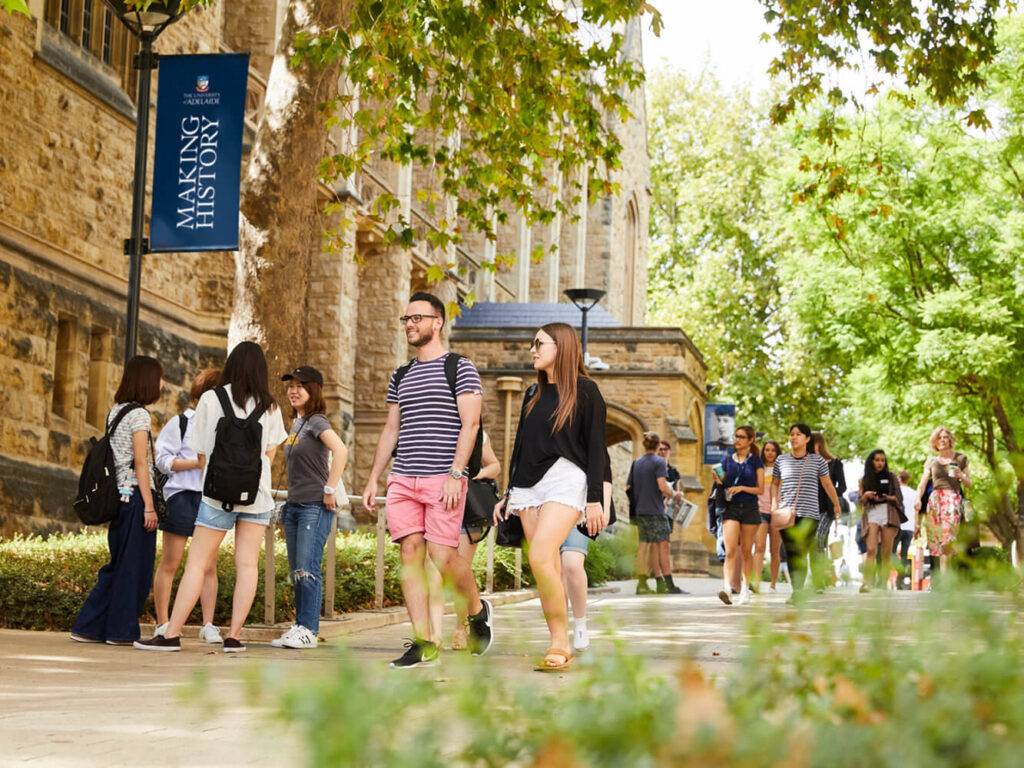
Adelaide University’s (formerly the University of Adelaide) School of Animal and Veterinary Sciences is based at its Roseworthy campus. The school offers a Bachelor of Science in Veterinary Bioscience, which serves as a pathway into the DVM programme.
It also has a blend of academic training and commercial operations—including a $37 million Veterinary Health Centre and a working livestock farm.
Even though the campus is in a rural region, you don’t have to worry about missing out on city life. Adelaide is just 50 minutes away, providing the perfect weekend escape with cafes, events, and cultural experiences.
The balance between calm country learning and access to city comforts makes Adelaide an excellent option for students who want practical experience without feeling isolated.
6. James Cook University (JCU)
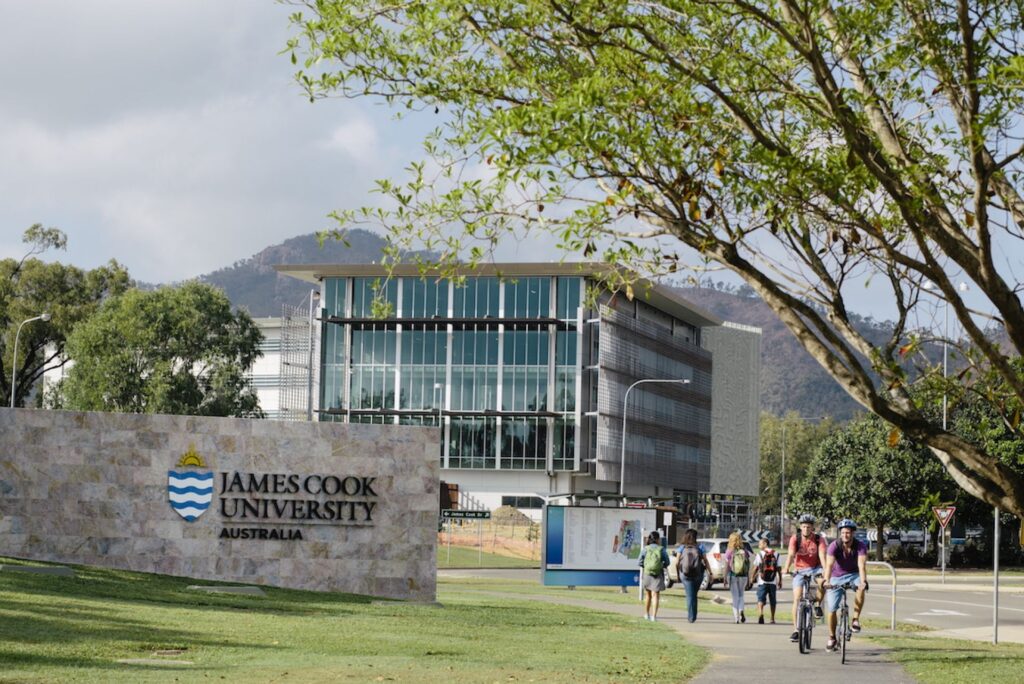
Located in Townsville, Queensland, James Cook University is Australia’s northernmost veterinary school and a leader in tropical veterinary medicine.
The program focuses on real-world animal health across northern Australia and the wider Asia–Pacific, giving you strong exposure to livestock, wildlife, and biosecurity challenges unique to tropical and regional settings.
Many international students choose JCU programs for the hands-on approach. You’ll spend substantial time in the field and on placement with rural communities and remote clinics, supported by a close-knit teaching team.
This practical training equips graduates for roles in rural mixed practice, production animal health, wildlife care, and related biosecurity work, with strong employability across regional veterinary sectors.
7. Charles Sturt University (CSU)
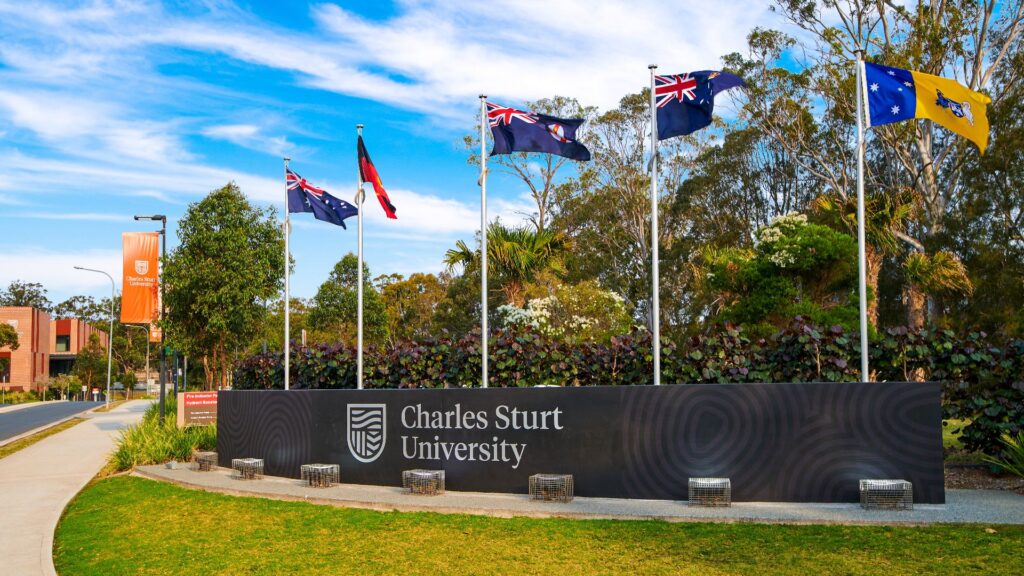
Based in Wagga Wagga, New South Wales, Charles Sturt University is known for preparing vets for rural and mixed-animal practice with strong community engagement. It is also ranked 51st–100th in the world for veterinary science.
Its integrated Bachelor of Veterinary Biology / Bachelor of Veterinary Science double degree builds real-world skills from day one through early clinical exposure and structured placements.
The program is designed with Australia’s rural veterinarian shortage in mind, so you’ll train for the kinds of roles regional clinics need most while receiving dedicated support as an international student seeking genuine regional experience.
8. Southern Cross University (SCU)

Southern Cross University offers a five-year Bachelor of Veterinary Medicine (Honours) at its Northern Rivers (Lismore) campus. It is one of Australia’s newest vet degrees and currently has provisional accreditation from the AVBC.
Training covers pets, farm animals, native wildlife and surgery, and a partnership with Wildlife Recovery Australia gives students hands-on experience in wildlife care.
Tuition Fees and Cost of Living

Veterinary science is a long and demanding course; tuition can range from about AUD 50,000 to 80,000 per year (about MYR 142,000 to 227,000), depending on the university.
On top of that, you’ll need to budget for living expenses like rent, food, and transport. That said, cities like Adelaide and Perth are generally more affordable than Sydney or Melbourne.
Several universities provide scholarships for international students, especially those who demonstrate academic excellence or financial need. It’s recommended to explore these options early in the application process.
Career Opportunities After Graduation
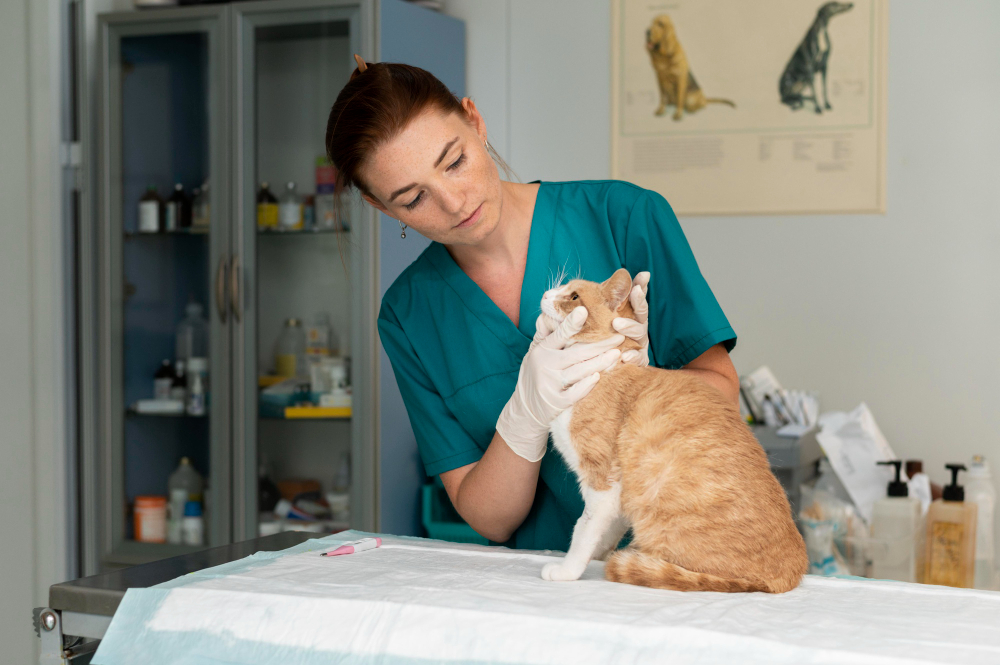
In Australia, you can apply for registration and begin working as soon as you graduate from a recognised veterinary programme. Some students choose private clinics, while others go into research, animal welfare, public health, or government work.
There’s a strong demand for veterinarians in rural Australia, especially those who can work with livestock or in remote communities. If you studied at a university with AVMA accreditation, your career options extend to countries like the US and Canada as well.
If you’re planning to work as a vet in Malaysia, the Malaysian Veterinary Council’s list of approved institutions names three Australian universities: Melbourne, Queensland and Sydney. If you choose another university, check with the Council before you apply.
Take the First Step on Your Veterinary Path Today
Studying veterinary science is a big step. It’s one that leads to an incredibly rewarding career. Whether you see yourself treating pets in a city clinic, managing livestock on a farm, or rescuing wildlife in the outback, Australia offers you the training, tools, and support to make it happen.
If you’re still not sure which university is right for you, don’t stress—help is just around the corner. Contact Selset Education Centre for personalised advice, application support, and all the info you need to make the best decision for your future.